
NEGOTIATIONS FOR JOSHUA VS. DEONTAY WILDER HAVE COLLAPSED; JOSHUA TARGETS FURY FOR NOVEMBER
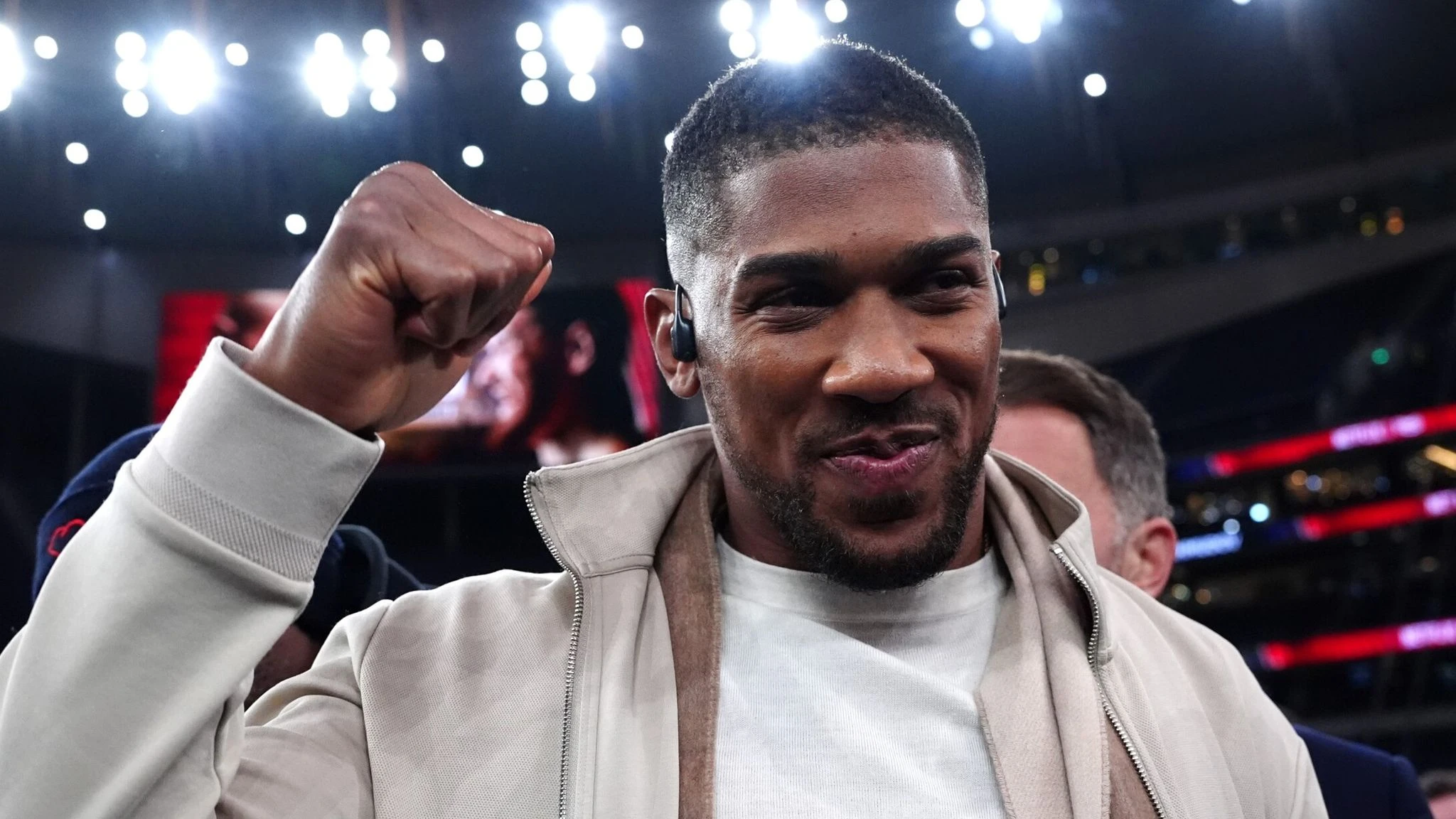
The decade-long pursuit of Wilder vs Joshua has ended. With AJ targeting Tyson Fury, Deontay Wilder now eyes a clash with Andy Ruiz.
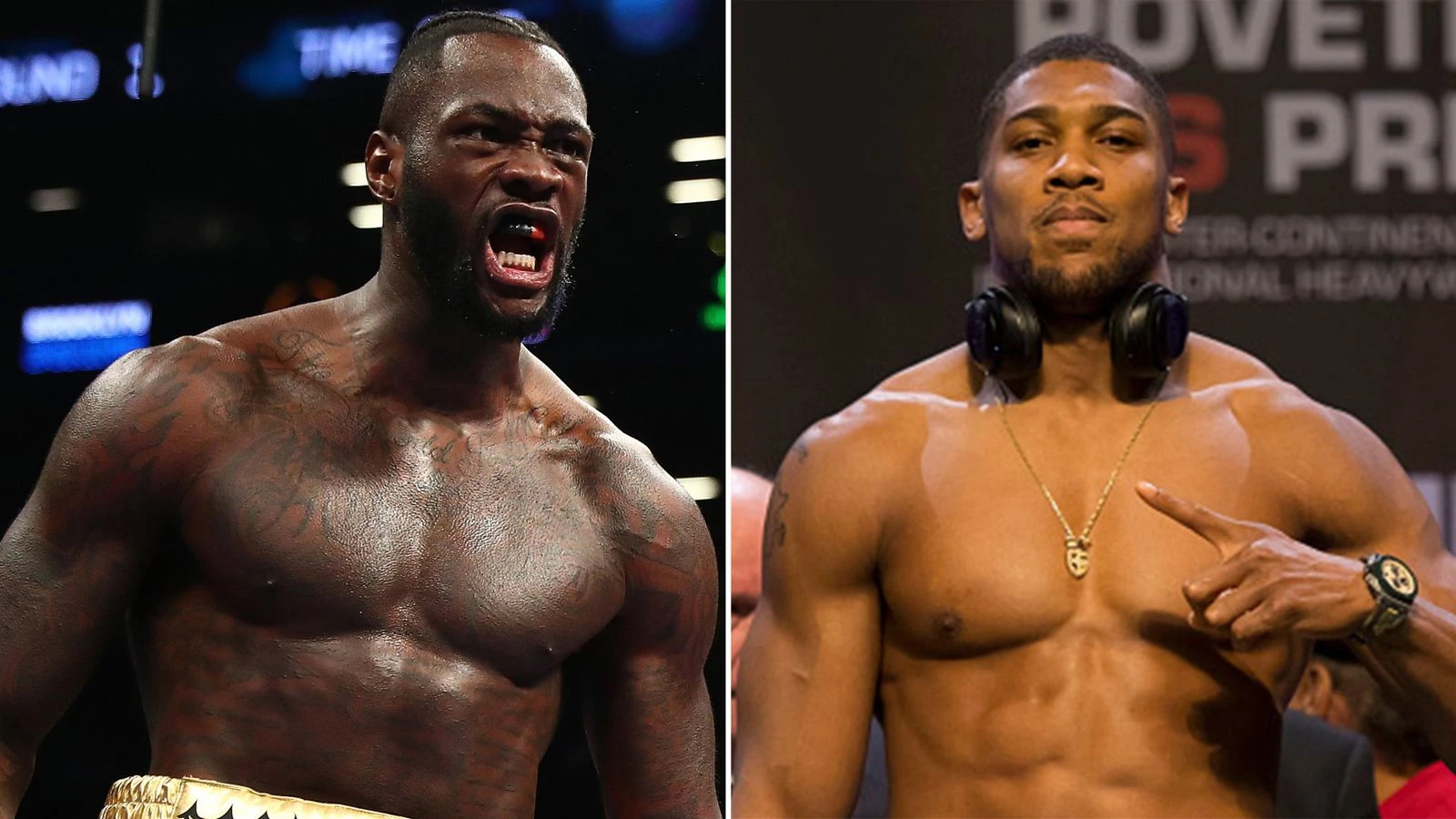
After nearly a decade of attempts, the prospect of Deontay Wilder facing Anthony Joshua has finally fallen apart. As chronicled by World Boxing News from start to finish, this fight just isn’t happening anymore.
Joshua’s focus is shifting. By 2026, he’s aiming for a major British showdown with Tyson Fury, which means Wilder’s chances of being his next opponent are slim. Eddie Hearn, Joshua’s promoter, has essentially dismissed the idea of Wilder as a tune-up fight, leaving Wilder out of the equation for the Londoner’s upcoming plans.
Joshua is expected to have a warm-up bout this summer before engaging in two fights against Fury. By the time Joshua is back on the scene for a world title shot, Wilder will be close to 42 years old, pushing him to look elsewhere.
That opens the door for other contenders. Moses Itauma, a fellow Brit, has stepped forward, expressing interest in facing Wilder. It’s a risky move, given Wilder's power, and some see it as a misstep for the Bronze Bomber.
More intriguing, though, is a possible showdown in the US against Andy Ruiz Jr. Talks about that fight have floated around since 2020, delayed first by the Fury-Joshua trilogy and then by contractual issues on Ruiz’s side. When negotiations were alive, financial disagreements caused a breakdown, but fan interest has remained strong. World Boxing News reported a surge in fan demand, generating millions of impressions, pushing for this matchup.
Following their recent face-off at Allegiant Stadium in September, Wilder vs. Ruiz looks like a viable path if either aims to work back toward a heavyweight title opportunity.
With Joshua out of the picture, Wilder’s next steps are under close watch. Suggestions of a rematch with Derek Chisora haven’t gained much traction. Whether he goes after an up-and-comer like Itauma or revisits the Ruiz rivalry, that choice will be critical in determining how Wilder reasserts himself in the heavyweight division.
A title shot isn’t off the table, but the next fight has to be carefully chosen to keep those chances alive.

LAWRENCE OKOLIE FACES CAREER-ENDING FOUR-YEAR BAN AFTER TESTING POSITIVE FOR GHRP-2
Lawrence Okolie’s heavyweight debut is in ruins after a positive test for GHRP-2. Discover the potential ban and fight fallout.
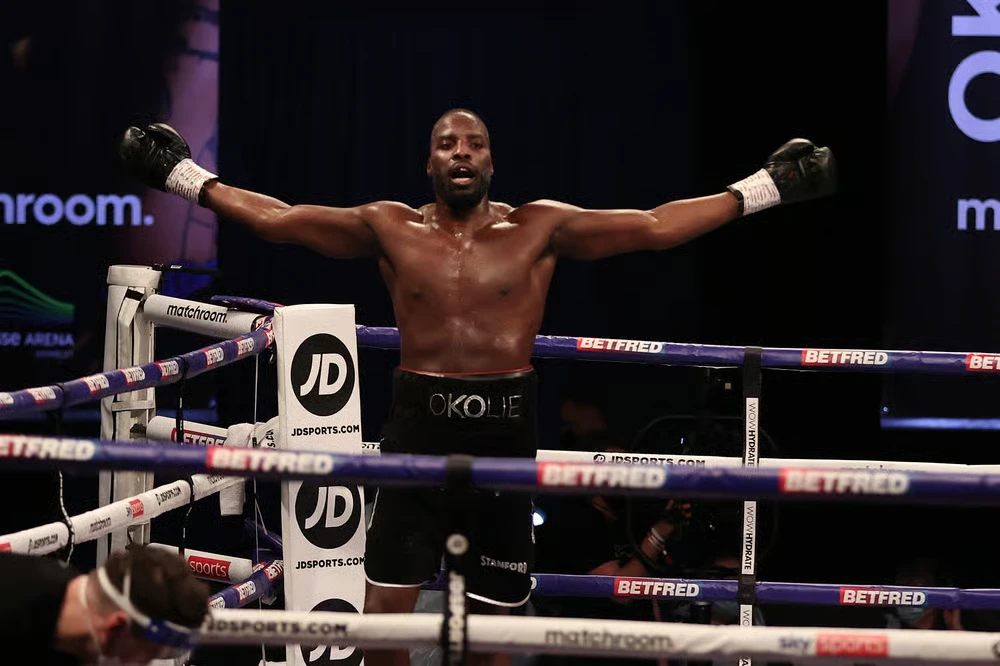
Lawrence Okolie’s career hangs in the balance after he failed a drug test.
Days before he was set to fight Tony Yoka in Paris, the former cruiserweight world champ tested positive for GHRP-2, a banned substance that triggers the release of human growth hormone (HGH). That test result got him pulled from Saturday’s bout right away. HGH can give boxers a bigger edge by boosting muscle and trimming fat, and it’s notoriously tough to spot in tests.
Okolie, who’s also held a bridgerweight world title, is now looking at a possible four-year ban if the evidence shows he cheated. Even if he can prove he didn’t take it on purpose, he’s still facing up to two years out of the ring. After news broke, the 33-year-old Olympian pointed the finger at injury treatment.
“Before anyone jumps to conclusions, I want to explain that after my bicep injury last year, I picked up an elbow injury on the same arm during this camp,” he said. “I got treatment for that, and now here we are. I really hope people see sense. I’ll work with all the right authorities, and I’m sure the investigation will clear me. No more comments for now. Thanks for all the support. See you soon.”
Okolie’s story is a familiar one for boxing. He was working at McDonald’s in 2012, watching Anthony Joshua grab Olympic gold, and four years later, Okolie himself was at the Rio Games, making it to the last 16. After that, he turned pro and quickly picked up the British, Commonwealth, and European cruiserweight belts.
His big moment came in 2021, when he stopped Krzysztof Glowacki for his first world title, defending it three times. But his cruiserweight reign ended in 2023, outpointed by Chris Billam-Smith in Bournemouth. He bounced back, taking the bridgerweight crown, then jumped up to heavyweight, eyeing a shot at another world title after three straight wins.
That plan is up in smoke for now. Promoter Frank Warren found out about the positive test on Monday and tried to salvage the show, but with Okolie out, he just couldn’t do it. The whole event, including a fight for rising Irish heavyweight Adam Olaniyan, got the chop.
“He’ll have to go through a hearing once they set it up. The whole thing’s a mess, but that’s how it is,” Warren said. As a side note, Tony Yoka, who beat Joe Joyce for Olympic gold in Rio, isn’t new to controversy himself; he served a year-long ban back in 2018 after missing three drug tests.
WHY LAWRENCE OKOLIE’S HEAVYWEIGHT CLASH WITH TONY YOKA FACES SUDDEN CANCELLATION
Lawrence Okolie returns an adverse finding on a VADA test. We break down the fight cancellation, injury explanation, and the fallout.
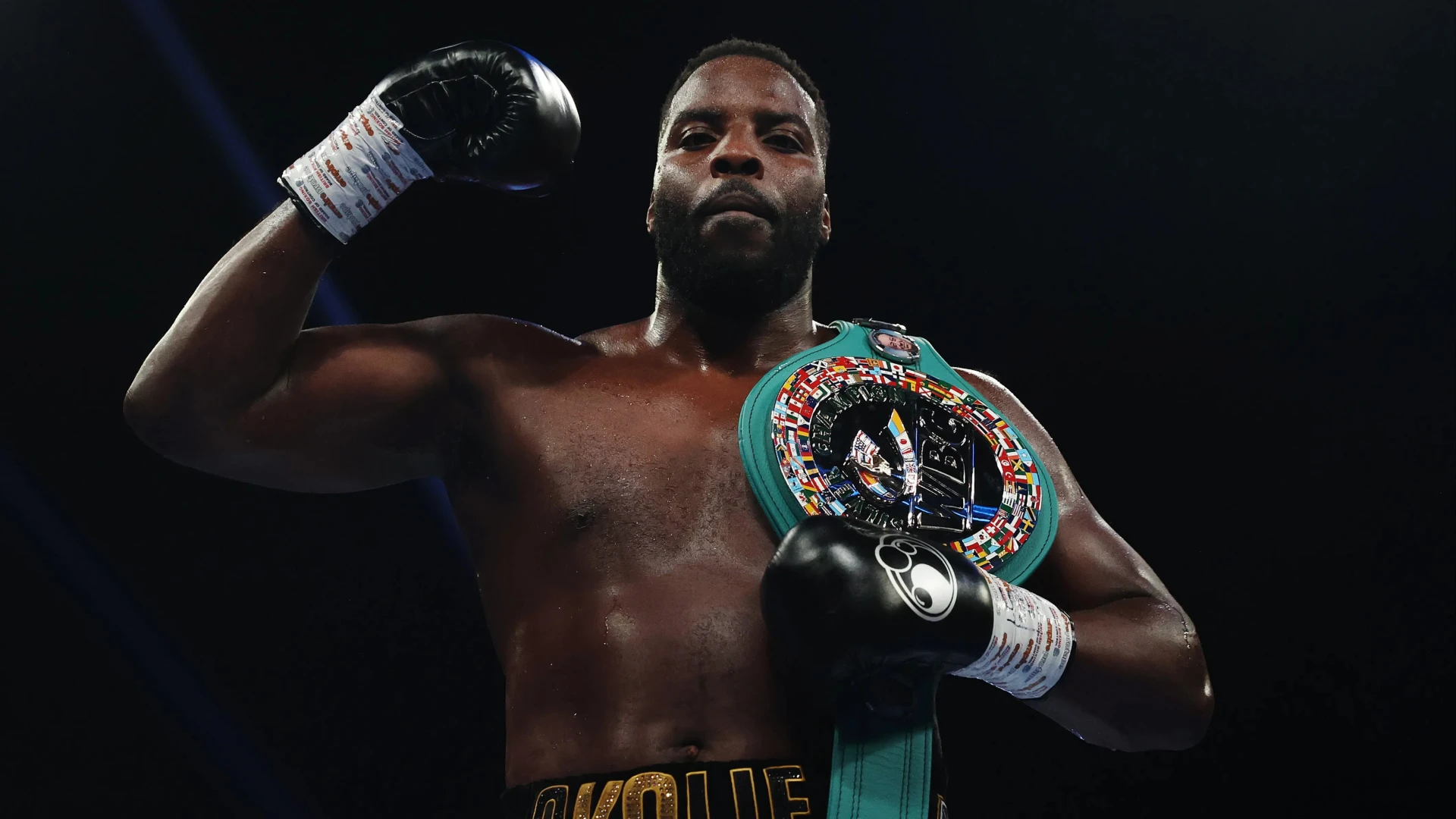
Lawrence Okolie, the former cruiserweight world champion, was set to face Tony Yoka in Paris this past Saturday as part of his ongoing move into the heavyweight division. However, things took a turn when the Voluntary Anti-Doping Association (VADA) notified his promoter, Queensberry, about an adverse finding from a recent drug test conducted ahead of the event. Queensberry stated that further details about the situation and the fight would be released in due time.
In response, Okolie took to social media to explain the circumstances surrounding the test. He mentioned that after dealing with a bicep injury last year, he sustained an elbow injury on the same arm during this training camp. He had undergone treatment for it, which he suggests might be related to the test results. Okolie expressed hope that reason would prevail and assured that he would fully cooperate with any investigations, confident they would eventually clear his name. At this moment, he chose not to comment further but thanked his supporters and promised to return soon.
Looking back, Okolie and Yoka both competed at the 2016 Rio Olympics, though in different weight categories. While Okolie didn’t secure a medal, Yoka won gold in the super-heavyweight division, beating Joe Joyce in a final that sparked some controversy. Okolie went on to claim the world cruiserweight title before losing to Chris Billam-Smith three years ago. Afterwards, he captured the WBC bantamweight title with a knockout against Lukasz Rozanski, a belt that doesn't carry much prestige, before moving up to heavyweight. Before the planned bout with Yoka, Okolie had stopped his previous three opponents.
When the fight was first announced, Okolie reflected on his progression through the weight classes. He found it tough to make weight at cruiserweight and bridgerweight, but at heavyweight, he feels stronger, more explosive, and comfortable. With the fight about eight or nine weeks away, he was confident he could get into great shape. Candidly, he called this opportunity his Olympic gold medal fight, since he never had the chance to win one at the actual Games. He acknowledged Yoka’s experience and skill but believed the momentum was shifting in his favour, implying he’s ready to take things to the next level in his heavyweight journey.